


Have you ever wondered if your furry friend is ticklish? It’s a common question among dog owners, often sparked by those adorable, involuntary leg twitches during a belly rub. While dogs might not giggle like humans, their reactions to certain touches can certainly seem like a unique form of ticklishness. Let’s explore whether our canine companions truly get tickled and how to approach these sensitive interactions.
Do Dogs Get Ticklish Like Humans?
Dogs don’t experience “ticklishness” as humans do, but they do have highly sensitive areas. These spots can elicit strong, often involuntary, reactions that mimic what we call being “tickled.” It’s more about their nervous system responding to light stimulation than actual fun.

Understanding Canine Sensations
Dogs have many nerve endings, especially in certain areas of the body. Light stimulation of these spots triggers a reflex, like the famous “tickle spot” that makes a dog’s leg kick. This is a direct neurological response, not necessarily a sign of discomfort or enjoyment.
Common “Tickle” Zones
Many dog owners discover specific spots that trigger these reflex-like reactions. Common areas include the belly (especially near the rib cage or groin), the paws, and along the flanks or spine. Some dogs also react to light touches around their ears.
Should You “Tickle” Your Dog?
Interacting with your dog in ways that seem “ticklish” can be a fun part of your bond, but always approach it with respect. The goal should be to enhance their comfort and happiness, not just to provoke a reaction. Prioritize your dog’s well-being and make sure they’re enjoying the interaction.
The Importance of Body Language
When touching sensitive areas, watch your dog’s body language closely. Signs of enjoyment include a relaxed posture, a soft gaze, gentle tail wags, or leaning into your touch for more. These indicate they appreciate the interaction and are comfortable.

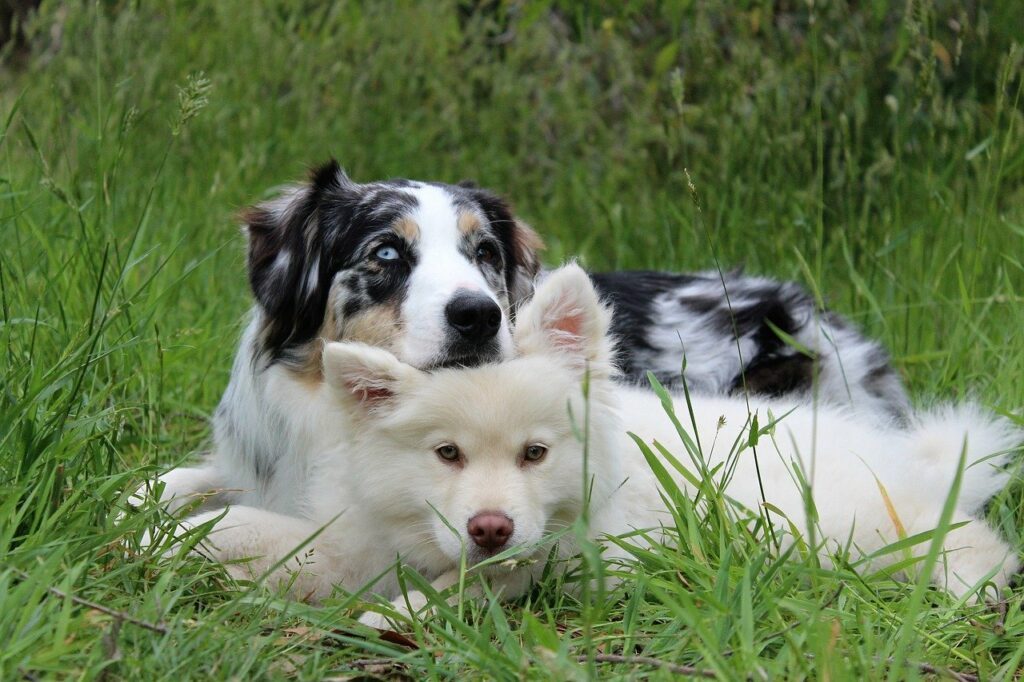
825545 (CC0), Pixabay
When to Stop
Crucially, recognize signs your dog is not enjoying the “tickle.” These can include stiffening, turning their heads away, lip-licking, yawning, or trying to move away. If you see any of these, stop immediately to respect their boundaries and build trust.

## Conclusion
While dogs might not experience “ticklishness” in the human sense, they definitely have sensitive spots that evoke unique responses to touch. The key to a happy interaction lies in understanding their individual reactions and always prioritizing their comfort and consent. By observing body language, you can use playful “tickling” as another positive way to bond with your beloved canine companion.