


It’s never easy when our beloved furry friends aren’t feeling their best, and common dog illnesses can leave both pets and owners feeling stressed. Understanding how to recognize symptoms and provide appropriate care is crucial for their well-being. Learning to effectively treat these ailments and help your dog “recolonize” their system back to health is a vital part of responsible pet ownership. Let’s explore how to support your canine companion.
Recognizing Common Ailments Early
Observing your dog’s daily behavior, energy levels, and physical changes is the first step in addressing any potential illness. Early detection can significantly affect the speed and success of recovery.
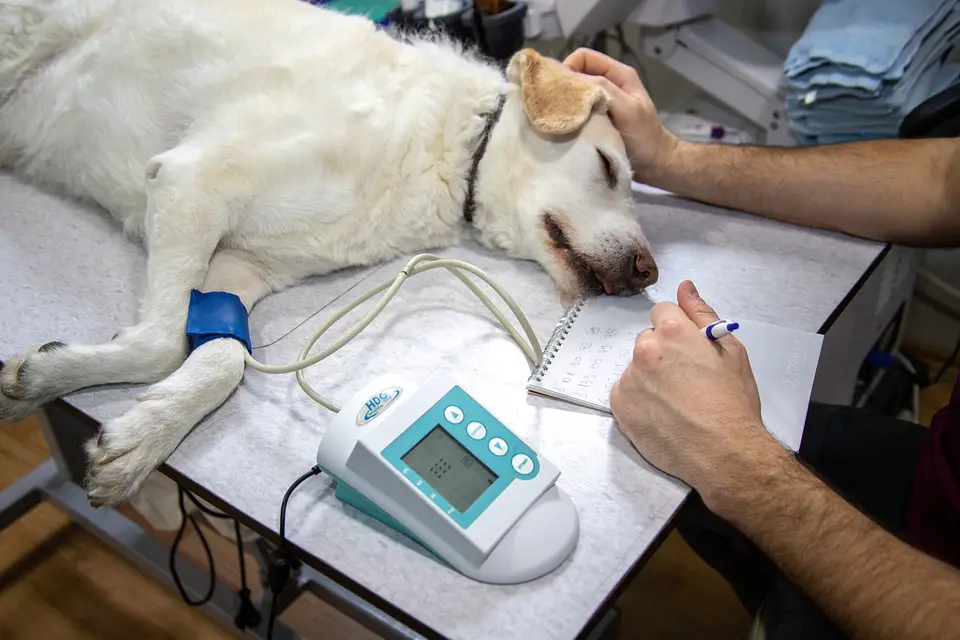
Upset Stomach & Diarrhea
Loose stools, frequent vomiting, or lethargy often signal an upset stomach. For mild cases, try withholding food for 12-24 hours (with constant water access) before reintroducing a bland diet. If symptoms persist or worsen, immediate veterinary attention is essential.
Skin Irritations & Allergies
Excessive scratching, biting, redness, “hot spots,” or hair loss can indicate underlying skin problems. These might stem from allergies, parasites, or infections. A vet can diagnose the root cause and recommend targeted treatments.
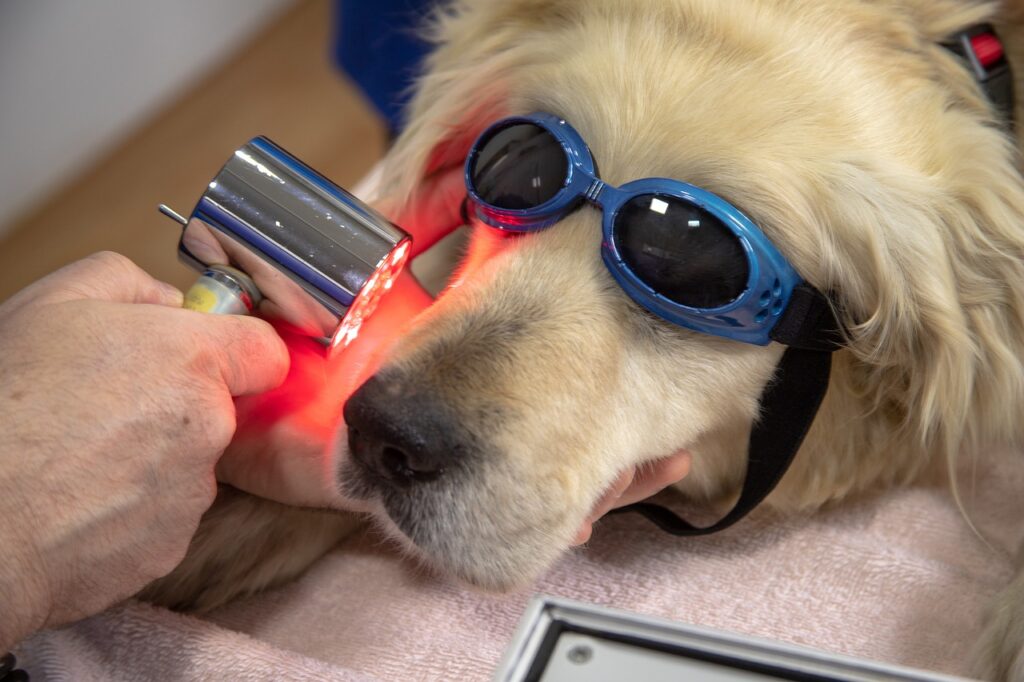
Treating and Restoring Health for Optimal Recovery
Effective treatment involves professional veterinary care combined with supportive home measures, helping your dog bounce back stronger.
The Power of Probiotics for Gut Health
After illness or antibiotic use, your dog’s gut microbiome can become imbalanced. Pet-specific probiotics help “recolonize” beneficial bacteria, supporting digestion and strengthening their immune response for complete recovery.
Importance of Proper Nutrition and Hydration
Maintaining proper nutrition and adequate hydration are fundamental to recovery. A high-quality, easily digestible diet provides necessary nutrients, while constant fresh water prevents dehydration.
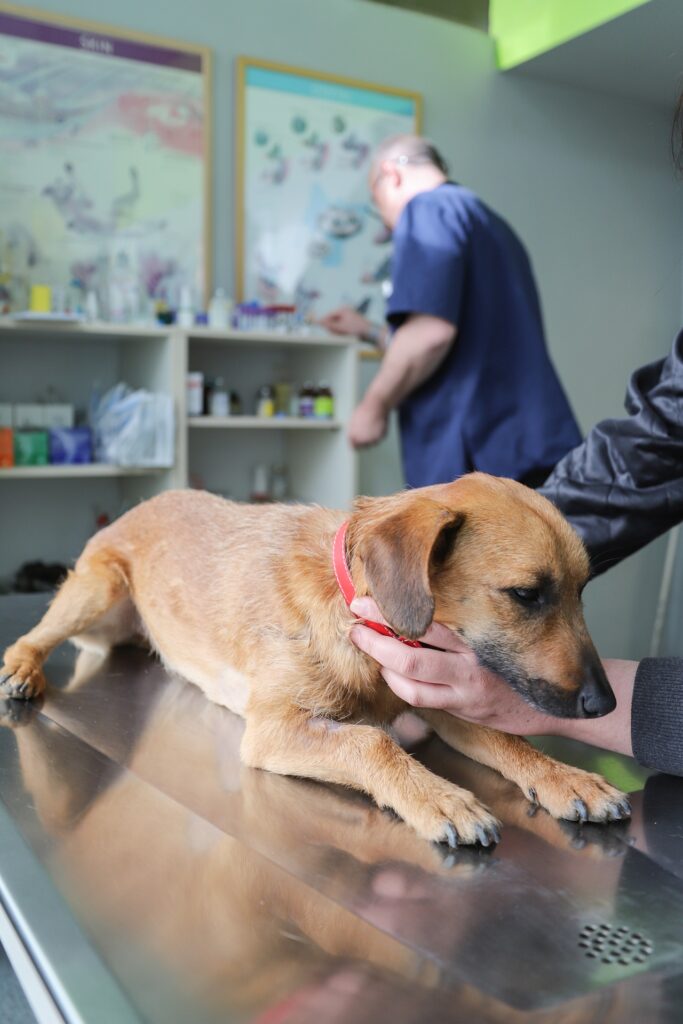
Veterinary Consultation is Indispensable
While attentive home care is valuable, a veterinarian’s professional diagnosis and tailored treatment plan are often indispensable. They perform necessary tests, prescribe appropriate medications, and offer expert advice to ensure the best care. Never hesitate to seek professional help.