


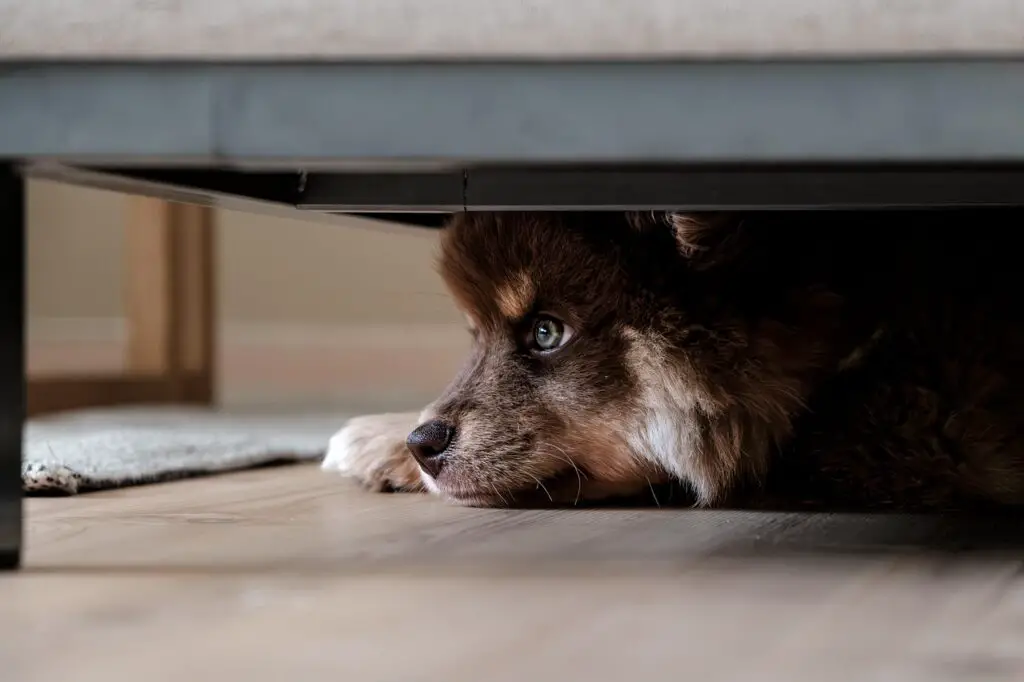
If your dog hides under the bed or refuses to leave your side during storms, know you are not alone. Many dogs get extremely anxious when the weather gets rough. While the sound of rain and thunder might bring calm to the windows for us, pups are usually on the complete opposite end of the spectrum. Even mild changes in the atmosphere can greatly disturb them. So, why do storms have such a dramatic effect on dogs?
Their Ears Are Way Better Than Ours
Thunderous sounds and lightning can be perceived as a threat to dogs. Dogs hear things we can’t even imagine. For our canine friends, thunder does not only “roll.” Mixtures of loud bangs and bright flashes can also trigger weird shifts in the atmosphere. It is easy to see why dogs get on high alert. As mentioned, dogs don’t hear just noise. It is much worse—sensory overload.

Storms Feel Unpredictable to Dogs
Weather changes tend to set off a dog’s internal alarm. Thunder cracks and lightning can be very unsettling. Put yourself in the paws of a pup for just a moment. Sudden changes in the weather, plus cracking thunder, can make it feel like the world is falling apart. Pops of sounds added to a strange air mixture can make someone panicky. This is why it’s essential not to disrupt a dog’s routine, as it’s very much needed.
Sudden Sparks of Electricity Sparking Issues
A dog often hides next to plumbing during thunderstorms, which helps it ground itself and escape potential electrical shocks. Some experts claim that differing levels of static electricity fluctuate each time there’s a storm, building up more and more in one’s fur. Now imagine getting a shock when touching metal—it’s like an electric zap covering your entire body.

Behaviors for Whining and Hiding
Your dog is pressing against your leg, and a gentle nudge from you could turn the tide for both of you. Pooches read our feelings quicker than we credit, so if your day is heavy, odds are their ears droop in rhythm with you. That same bond can send them bouncing in excitement one minute and seeking shelter under the sofa the next, caught in a swirling fog of worry. Whining, shaking, or excessive panting are all clear signs to look out for.
Improving Quarters for Your Pup
Stay collected and create a vibe you would want to be a part of. Introduce a quiet closet filled with two to three blankets and a crate, or simply a space with very low stimuli as an escape zone, which is ideal for your pup to feel better. Adding soft music helps mask scary sounds, enhancing calming feelings.
You can try calming wrap jackets, scent diffusers, or even vet-recommended pills if your dog struggles badly during storms. With some patience, though, many owners have succeeded in easing their dog’s anxiety by playing thunder clips on YouTube while offering small treats. The key is to move slowly and always tie the noise to something happy, so your dog learns storms don’t mean panic.
Conclusion
Some dogs trot boldly through their days yet turn into shaking fur balls at the first rumble of thunder. The bright side is that they never have to face that loud moment alone. By learning how wind, bright flashes, and deep booms rattle a dog, you get the tools you need to soothe him and shrink the noise. The reassuring presence of a calm owner is the one thing almost every anxious pooch wants when the sky growls.