


Adopting an adult dog is a wonderful decision, but it requires thoughtful consideration to ensure a good match. Unlike impulse choices, successful adoptions usually happen when pet parents take time to evaluate their lifestyle and expectations. Every dog has unique needs, personality traits, and history that can affect how well they fit into your home. Knowing what to look for can make the experience smoother and more rewarding for both you and your future companion.
Assess Your Lifestyle First
Before falling in love with a specific dog, honestly evaluate your daily routine. Consider your work schedule, activity level, living space, and family dynamics. A dog that fits naturally into your lifestyle is more likely to thrive.

Consider Energy Levels and Exercise Needs
Adult dogs vary greatly in energy, even within the same breed. Some may be calm and relaxed, while others remain highly active. Choosing a dog whose exercise needs align with your capacity prevents frustration and stress.
Evaluate Temperament and Personality
Temperament is one of the most important factors in a successful adoption. Observe how the dog behaves around people, in noisy situations, and in unfamiliar situations. Shelter staff or foster caregivers can often provide valuable insights.

Understand the Dog’s Background
Whenever possible, learn about the dog’s history, including previous homes or environments. Past experiences may influence behavior, fears, or social skills. This knowledge helps you prepare for any adjustments that may be needed when adopting the pet.
Compatibility With Family Members
If you have children, other pets, or frequent visitors, compatibility is crucial. Some dogs are naturally social, while others prefer quieter settings. A good fit ensures harmony and safety in your household.
Health and Medical Considerations
Adult dogs may have existing medical conditions or specific care needs. Reviewing veterinary records can help you understand potential responsibilities. Being aware of health factors prevents unexpected challenges later.
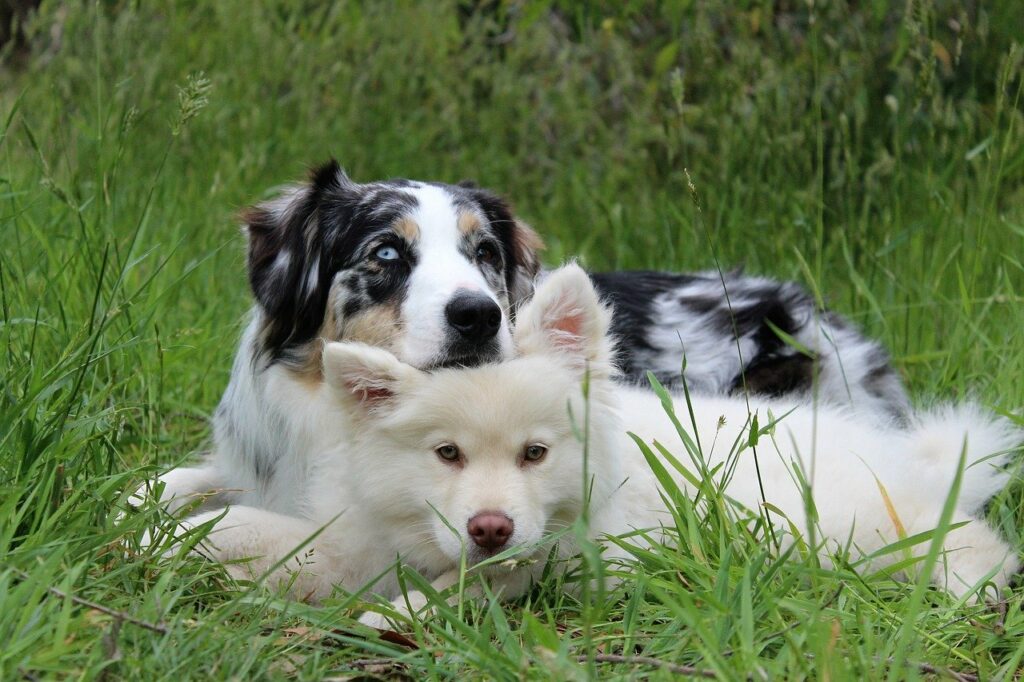
Observe Behavior Rather Than Appearance
While looks can be appealing, behavior and comfort should guide your decision. Spend time interacting with the dog if possible. Pay attention to how relaxed and responsive they seem in your presence.
Ask Questions and Take Your Time
Adoption is a long-term commitment, so avoid rushing the process. Ask shelter staff about the dog’s habits, triggers, and preferences. The more information you gather, the better your decision will be.
In Conclusion
Choosing the right adult dog is about finding a balanced match rather than simply picking the cutest option. Careful consideration increases the chances of a positive, lasting relationship. With patience and awareness, you can welcome a dog that truly complements your home and lifestyle.