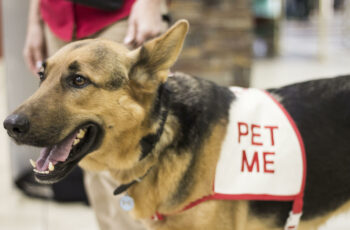


Ever wondered why your friend’s high-energy Border Collie needs to run miles every day, while your laid-back Bulldog is perfectly happy with a leisurely stroll around the block? Or why do some dogs shed constantly, and others rarely drop a hair? The truth is, when it comes to dog care, there’s no such thing as a universal manual. Just like people, every dog is an individual, but their breed often dictates a significant portion of their unique needs. Sticking to a generic “dog care” approach can leave your furry friend feeling misunderstood, unhealthy, or just plain unhappy. It’s time to ditch the one-size-fits-all myth and embrace the power of breed-specific care!
The Myth of “One Size Fits All” Dog Care
For generations, many dog owners have approached pet care with a generalized mindset, assuming that what works for one dog will work for another. While basic needs like food, water, and shelter are universal, the *type* and *amount* of these essentials, along with exercise, grooming, and training, vary wildly. This “one-size-fits-all” approach often leads to frustration for owners and potential health or behavioral issues for dogs whose specific genetic predispositions are ignored.
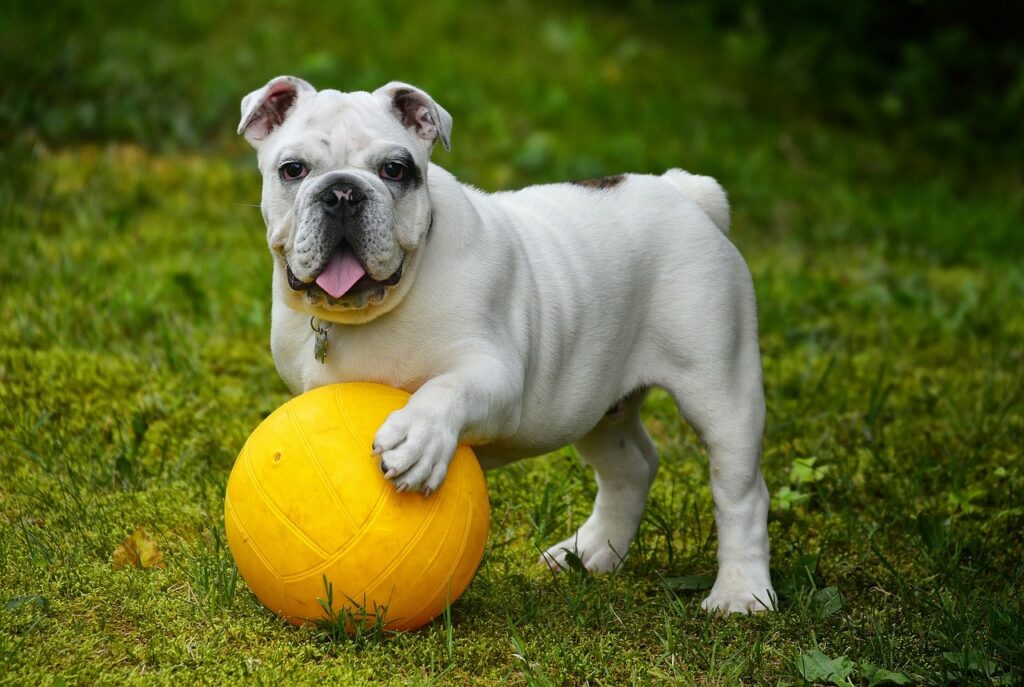
AlainAudet (CC0), Pixabay
Why Breed-Specific Care Matters
Understanding your dog’s breed (or dominant breeds if they’re a mix) is the first step in unlocking their happiest, healthiest life. Each breed was developed for a purpose, whether it was herding sheep, hunting game, guarding property, or simply being a companion, and these inherent traits profoundly influence their requirements.
Tailored Nutrition
A tiny Chihuahua with a fast metabolism has vastly different caloric and nutrient needs than a giant Great Dane prone to joint issues. Active working breeds require more protein and fat than sedentary lap dogs. Some breeds are predisposed to allergies or digestive sensitivities, necessitating specialized diets. Feeding a generic kibble without considering these factors can lead to obesity, malnutrition, or exacerbate health problems.

Exercise & Mental Stimulation
Imagine trying to keep a Siberian Husky happy with only a short daily walk, or expecting a Basset Hound to run a marathon. It just doesn’t work! High-energy breeds like Retrievers and Shepherds need ample physical activity and mental stimulation to prevent boredom and destructive behavior. Brachycephalic (flat-faced) breeds like Pugs and French Bulldogs, on the other hand, can quickly overheat and require shorter, less strenuous exercise.
Grooming Requirements
From the dense double coat of a Samoyed needing daily brushing to the minimal shedding of a Basenji, grooming needs are incredibly diverse. Breeds with long, silky hair (like Afghan Hounds) require regular detangling, while wire-haired breeds (like Terriers) often benefit from hand-stripping. Ignoring these needs can lead to painful matting, skin infections, or excessive shedding.
Health Predispositions
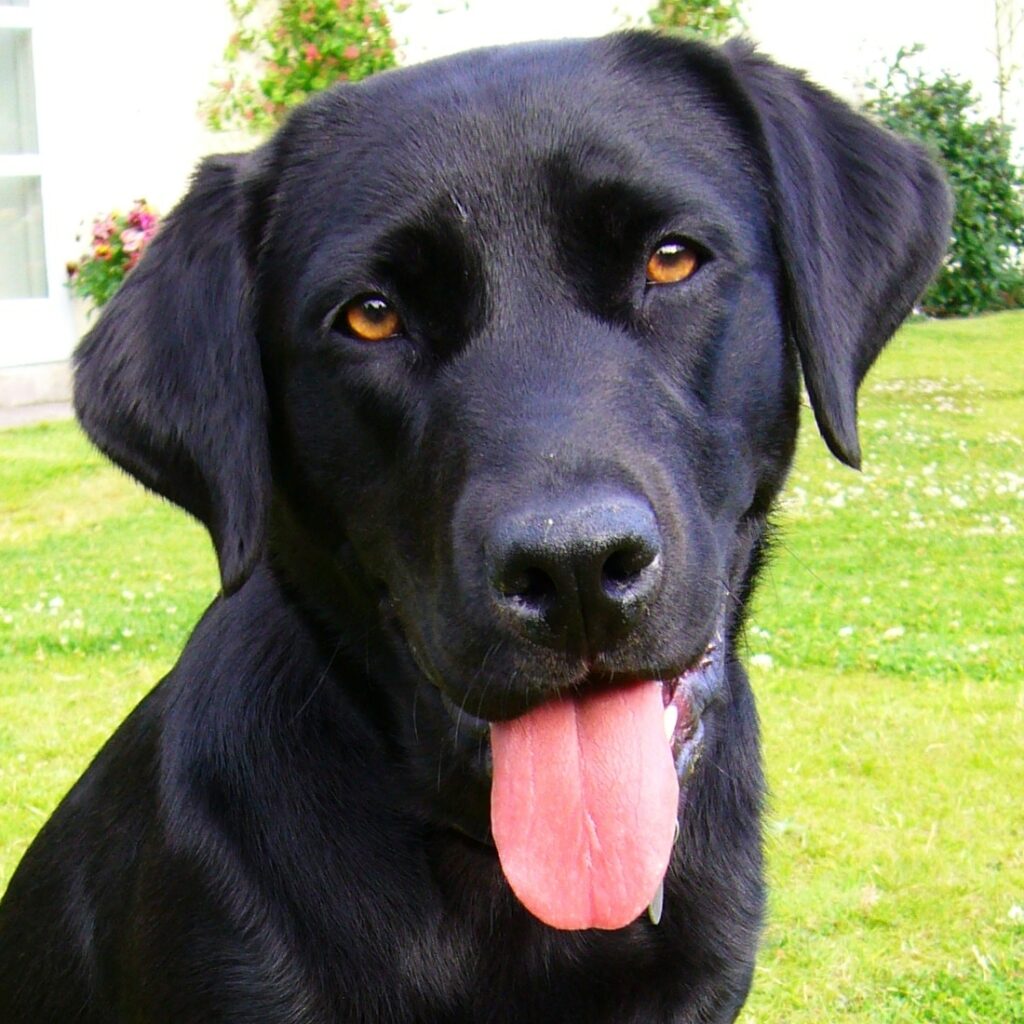
Many breeds are genetically predisposed to certain health conditions. For example, German Shepherds are known for hip and elbow dysplasia, Cavaliers for heart conditions, and Dalmatians for deafness. Knowing these risks allows owners and vets to implement preventative care, early screening, and proactive management, significantly improving the dog’s quality of life and longevity.
Building Your Breed-Specific Playbook
The good news is, armed with this knowledge, you can create a personalized care plan for your dog. Research your dog’s breed extensively, consult with your veterinarian about breed-specific health screenings, and talk to reputable breeders or experienced owners. This dedication will help you understand their unique personality, exercise needs, dietary requirements, and potential health concerns.

In conclusion, moving beyond the “one-size-fits-all” mentality is not just about convenience; it’s about providing the most enriching and healthy life possible for your beloved companion. By embracing a breed-specific approach, you’re not just owning a dog; you’re becoming an expert in *your* dog, fostering a deeper bond and ensuring they thrive in every way.