


Traveling with our beloved pets can be an exciting adventure, but navigating the sea of advice can be confusing. Many common beliefs about pet travel safety are actually myths that could put your furry friend at risk. Let’s debunk these misconceptions and uncover what experts recommend to ensure a safe, stress-free journey for everyone.
Myth 1: Small Pets Don’t Need to Be Restrained in the Car
Many pet parents believe their small dog or cat is safe on their lap or loose in the car. However, even a sudden stop can turn an unrestrained pet into a dangerous projectile, injuring both them and human passengers. Experts strongly recommend securing all pets, regardless of size, in a crash-tested travel crate or with a properly fitted car harness and seatbelt attachment.
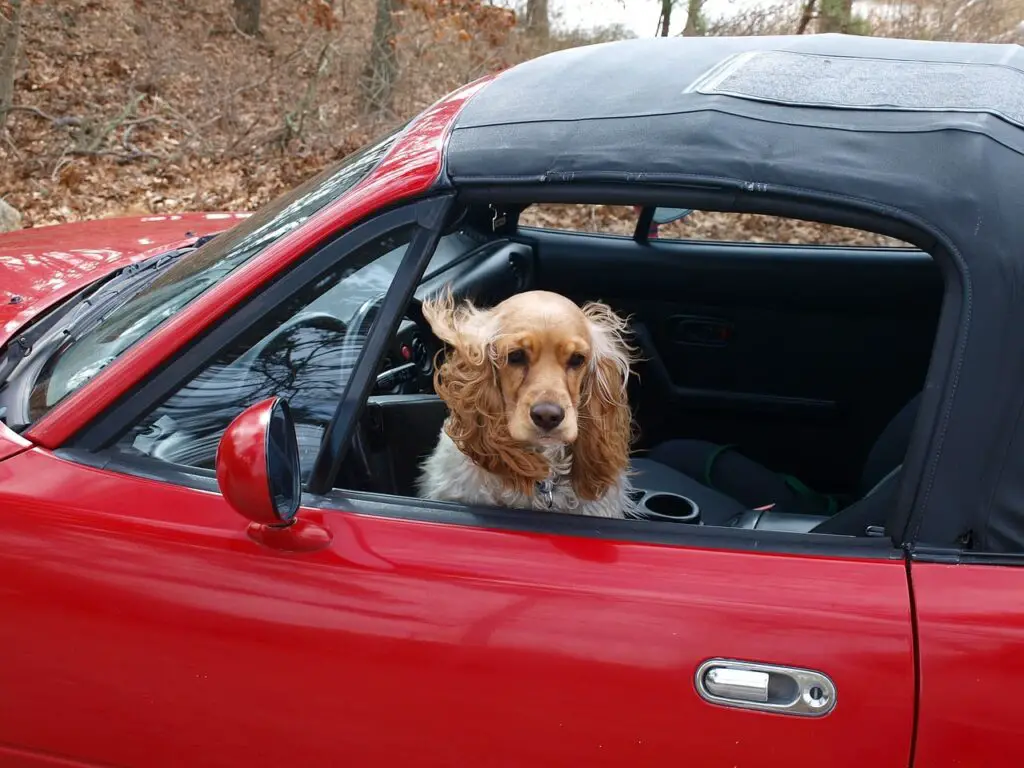
Myth 2: It’s Harmless Fun for Dogs to Stick Their Head Out the Window
While it looks picturesque, allowing your dog to hang their head out the car window is incredibly dangerous. Flying debris, insects, or even another vehicle could cause serious eye injuries, ear damage, or respiratory issues. Instead, keep windows mostly closed and use air conditioning or cracked windows for ventilation, ensuring your pet remains safely inside.

Myth 3: Sedating Your Pet is the Easiest Way to Travel
The idea of a calm, sedated pet during travel might seem appealing, but it carries significant risks. Sedatives can cause adverse reactions, respiratory problems, or even complicate temperature regulation, especially in unfamiliar environments. Always consult your veterinarian about travel anxiety solutions; they might recommend anti-anxiety medications, training, or desensitization techniques over sedation.

carah_ (CC0), Pixabay
Myth 4: A Regular Leash is Sufficient for Rest Stops
During a quick potty break, it’s easy to assume your everyday collar and leash are enough to keep your pet secure. However, unfamiliar sights, sounds, or smells can easily startle a pet, leading to a sudden pull and escape from a regular collar. For added security, experts suggest using a well-fitting harness in addition to their collar, or even a double-leash system, especially in busy or new locations.
Prioritizing your pet’s safety during travel means staying informed and following expert advice over outdated myths. Always consult your veterinarian before any long trip to discuss your pet’s specific needs and ensure you have all the necessary precautions in place for a smooth and secure journey.