

Winter walks are magical when fresh snow blankets everything, and watching your dog playfully snap at snowflakes or dive into drifts is heartwarming. But many owners pause when their pup starts chowing down on the white stuff, wondering if it’s harmless fun or a hidden hazard. In cold weather, this common behavior raises safety concerns, especially given the potential for contaminants to lurk in snow.
Why Dogs Can’t Resist Eating Snow
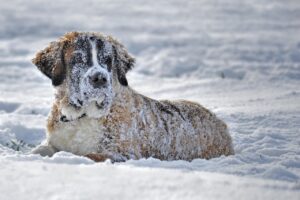
Dogs often eat snow simply because they love the crunchy texture and refreshing coolness, especially after energetic play in chilly weather. It can also quench thirst, as exercising in cold air still causes dehydration, and snow provides an instant, appealing hydration source. Instinct plays a role too, echoing wild ancestors who relied on snow for water in frozen environments.
The Hidden Risks of Snow Munching
Eating large amounts of even clean snow can rapidly lower a dog’s body temperature, leading to stomach upset or increased risk of hypothermia in harsh weather. Dirty or road-adjacent snow is far worse, often contaminated with road salt, de-icing chemicals, or antifreeze, which can cause irritation, vomiting, or severe toxicity. Hidden debris, such as rocks or sticks, under the snow can pose choking hazards or dental damage.

When Snow-Eating Signals a Problem
Excessive snow consumption might indicate dehydration from an unappealing home water bowl or from underlying conditions such as kidney disease or diabetes that increase thirst. It could also mean your dog is trying to soothe an upset stomach, similar to eating grass. Compulsive behavior warrants a vet visit to rule out health concerns.
Signs to Watch For After Snow Play
Look out for vomiting, diarrhea, or lethargy, which may stem from cold-induced stomach irritation or ingested contaminants. Excessive drooling, paw licking, or shivering could signal chemical exposure from salts. Neurological symptoms like weakness or seizures are emergencies requiring immediate veterinary care.

Tips for Safe Snow Fun
Choose clean, freshly fallen snow in untreated areas far from roads to minimize risks during winter outings. Carry fresh water and encourage drinking to prevent over-reliance on snow for hydration. Use paw booties or wipes to protect against salts, and supervise to limit intake with toys or commands.
Final Thoughts
A little clean snow-eating is usually just joyful winter behavior that adds sparkle to cold-weather adventures with your dog. Stay vigilant about quantity and quality, provide alternatives for thirst, and consult your vet if anything seems off. Here’s to safe, snowy zoomies and a happy, healthy pup this season!