


Neutering your dog is a significant milestone in your journey as a responsible pet owner. Neutering your dog is a significant milestone in your journey as a responsible pet owner. If you’re a parent or it will be the first time you welcome a dog into your family, understanding the importance of neutering is essential. This simple procedure prevents more than just unwanted puppies. It also helps to avoid critical medical issues and to promote good behavior. With proper guidance, dog owners can make informed decisions about their pets.
What Is Neutering?
This is a standard veterinary procedure in which a male dog’s testicles are surgically removed. This will no longer allow your dog to father puppies and also helps in marking, humping, and wandering. Fewer shelters for unwanted dogs are another positive side of neutering. This simple yet effective process is done in a nurturing environment with trained professionals and certified veterinarians under the protection of general anesthesia.

Benefits of Neutering from a Health Perspective
Neutering has numerous health benefits. It eliminates the risk of testicular cancer and may decrease the risk of prostate issues in older age. It may also lower the risk of some hormone-driven neoplasms. Like any surgery, some risks are associated with it. But neutering is generally safe and healthy for most male dogs.
When Is the Best Time to Neuter?
Age varies by breed and size. Most veterinarians recommend neutering between six and nine months of age. Larger breeds may do better with little delay because they develop more slowly, while smaller breeds may be ready sooner. Always consult your veterinarian for the most appropriate diet, taking into account the dog’s health and growth changes.

Changes in Behavior: You may observe
Most dog owners report improvements in the behavior of neutered dogs after surgery. With less aggression and a decreased tendency to wander, neutered dogs also show a lower desire to mark their territory. While not every behavioral issue will be resolved, the overall outcome will be a more focused pet.
Recovery and Aftercare
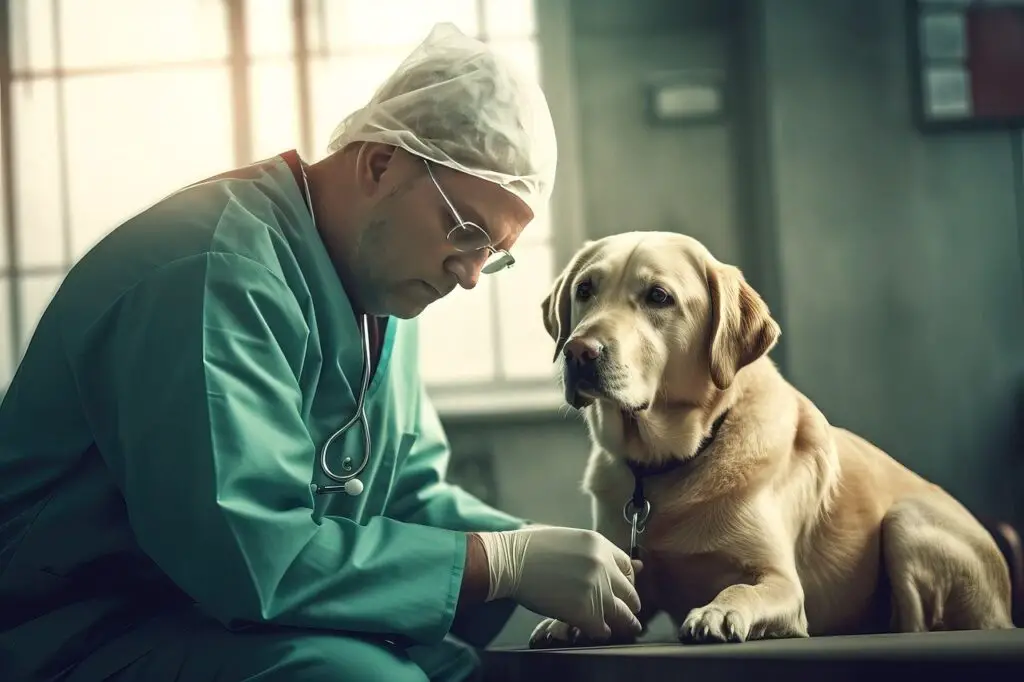
Surgical care is primarily focused on the postoperative period. The dog needs to be restrained, sustain a low level of activity, and wear an e-collar or cone to prevent licking the incision. Most dogs will recover within one to two weeks. In the event of complications, the vet typically schedules a follow-up appointment.
Impact on Other Pets in the Household
Families with multiple pets can benefit from having their dogs neutered. Unneutered males tend to be aggressive towards other pets, and this aggression can worsen if a female in heat is nearby. Neutering helps these dogs exhibit less dominant behavior, promoting a calm atmosphere in which multiple pets can live together.
Final Thoughts
The procedure provides safety for the dog and benefits the community. Neutering pets helps eliminate stray dog issues and improves the pet’s overall health. As always, the veterinarian is the best source for proper assistance.