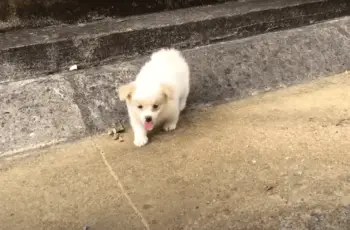


Dogs are often called “man’s best friend,” and for good reason. Their loyalty, playfulness, and companionship bring joy to our lives daily. But how do you know if your furry friend is pleased? Understanding the signs of a happy dog can deepen your bond and enhance their well-being.
Below, we’ll explore the physical signs, behavioral indicators, and even what unhappiness might look like in dogs. Plus, you’ll discover tips on creating an environment that fosters happiness for your four-legged companion.
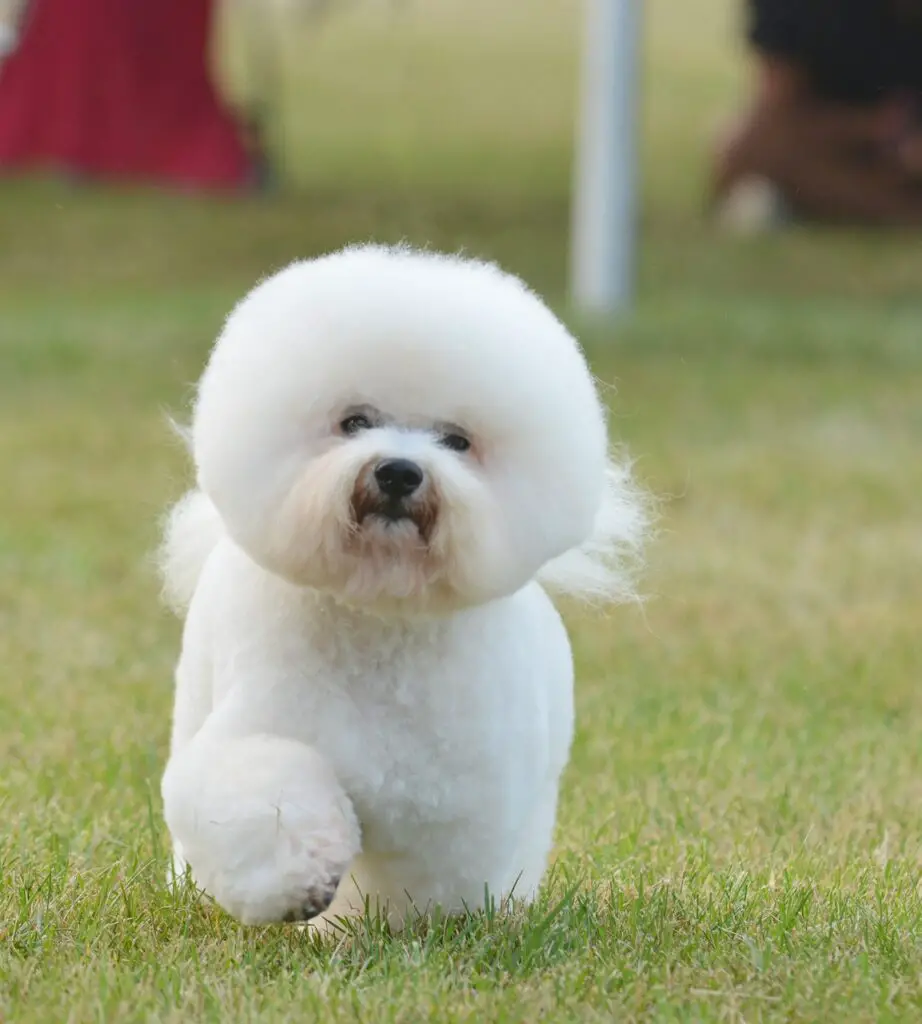
Is Your Dog Happy?
Determining if your dog is happy goes beyond just wagging tails. Dogs express their emotions in various ways, from physical cues to playful behaviors. Observing these signs can help you understand their mood and how they feel.
A joyful pup often displays enthusiasm during walks or playtime. They might engage with toys, seek affection, or even bounce around excitedly when they see you. Awareness of these signals allows you to nurture a stronger connection and ensure they live their best lives by your side.
Physical Signs of a Happy Dog
A happy dog usually expresses its joy through physical signs. You might notice a wagging tail, one of the most recognizable indicators. If it’s wagging in a wide arc or moving side to side, your pup is likely feeling playful and content.
Another sign can be their relaxed body posture. A happy dog will have loose muscles, with ears in a natural position rather than pinned back. Their eyes may appear bright and soft, reflecting their cheerful spirit. Look for these cues; they reveal much about your furry friend’s emotional state.

Behavioral Indicators of Canine Happiness
Another reliable sign of dog happiness is playful behavior. You might notice them engaging in games like fetch or tug-of-war, wagging their tail excitedly as they run toward you. They may also exhibit a bouncy gait during walks, showing eagerness to explore.
Social interactions also suggest that your dog is feeling joyful. If your dog seeks out your company, leans against you for affection, or enjoys cuddling, it feels secure and content. Plus, its relaxed posture and soft facial expressions reflect its joy in being around you.
Signs of Unhappiness in Dogs
A dog radiates joy when happy, but their unhappiness can manifest more subtly. Look for signs like a tucked tail, flattened ears, or avoiding eye contact. If your furry friend suddenly becomes less playful or loses interest in activities they once loved, it’s time to pay attention.
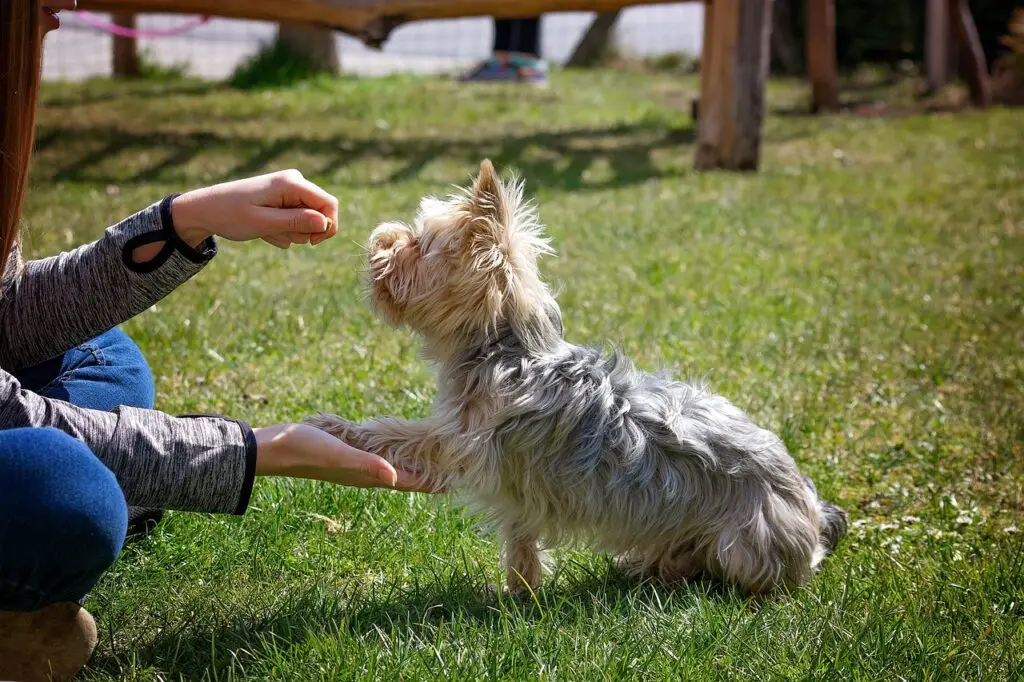
Changes in appetite and sleeping patterns can also indicate distress. A typically social dog might start isolating itself or displaying aggression when approached. Understanding these behaviors is crucial for ensuring your dog’s well-being and happiness. Recognizing the signs of unhappiness allows you to address their needs effectively.
Creating a Happy Environment for Your Dog
Creating a happy environment for your dog is essential for its overall well-being. Start by ensuring they have comfortable, relaxing spaces, like a cozy bed or crate. Engage them with toys that stimulate their minds and bodies.
Regular exercise is crucial—take daily walks and play fetch in the yard. Socialization also matters; gradually introduce them to other dogs and people. Positive reinforcement during training sessions helps build trust and strengthen the bond.
Provide routine vet check-ups to keep your furry friend healthy. A happy dog thrives in an environment of love, attention, and care, and focusing on these aspects contributes significantly to its daily joy and happiness.