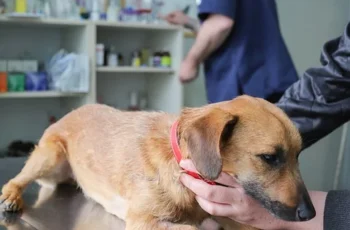


To any dog-loving family, pups are cherished members, and the duty to keep them safe runs as deeply as the love in our hearts. We buy the best food, install gates, and dog-proof cabinets, but the unexpected still strikes. Whether it’s a cut paw at the dog park, a choking piece of chicken bone, or the sudden glaze of heatstroke, knowing those first urgent, loving steps changes panic into protection. First aid begins not with antiseptics or tech gadgets, but with a gentle hand and a voice that steadies. It’s stopping the crisis while letting them feel the warmth of home, even miles away from it.
Staying Calm in an Emergency
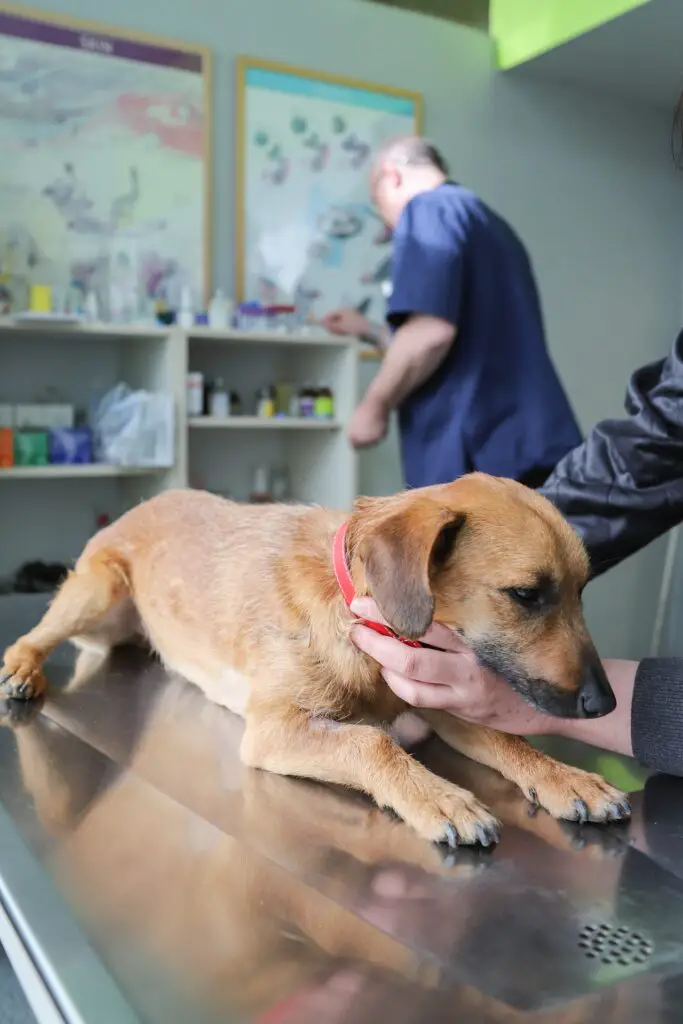
Step one when the world goes wobbly is to breathe. A sudden scare sends our adrenaline surging, yet our pups have the keenest radar for our hearts. Hyped owners hype anxious dogs. Quietly inhale, keep that breath wide and slow, let the chest and voice drop into an even tempo. Use soft, rhythmic praise or gentle stroking to keep them calm and still. Palm flat on the side of their ribcage, they feel safe. In that centered hush, you buy an extra moment to scan the injury, the parking lot for where the nearest vet is, and the next word to say, all while the love still speaks louder than any urgent bell in the chest. Cap the cortisol, keep the dog church quiet, and you’ll already be the best first responder in their eyes.
First-Aid Skills Every Dog Owner Should Master
A stocked first-aid kit is a must for every responsible dog owner; keep one on the countertop and another in the car. Your kit should contain protective gloves, various types of bandages, sterile antiseptic wipes, blunt-nosed scissors, fine-tipped tweezers, self-adhesive wrap, and a dog-friendly digital thermometer. To treat cuts, rinse the crusted area with tepid water, apply an antiseptic, and bandage the area loosely without applying constrictive pressure. If a toy or foreign object blocks your dog’s airways, stand directly behind them, make a fist just under the rib cage, and thrust inward once or twice—almost like a bellows motion—until the object is expelled or the dog begins to breathe again. That one skill can make a trip to the vet a little less frantic.
Dealing with Real-Life Upheavals
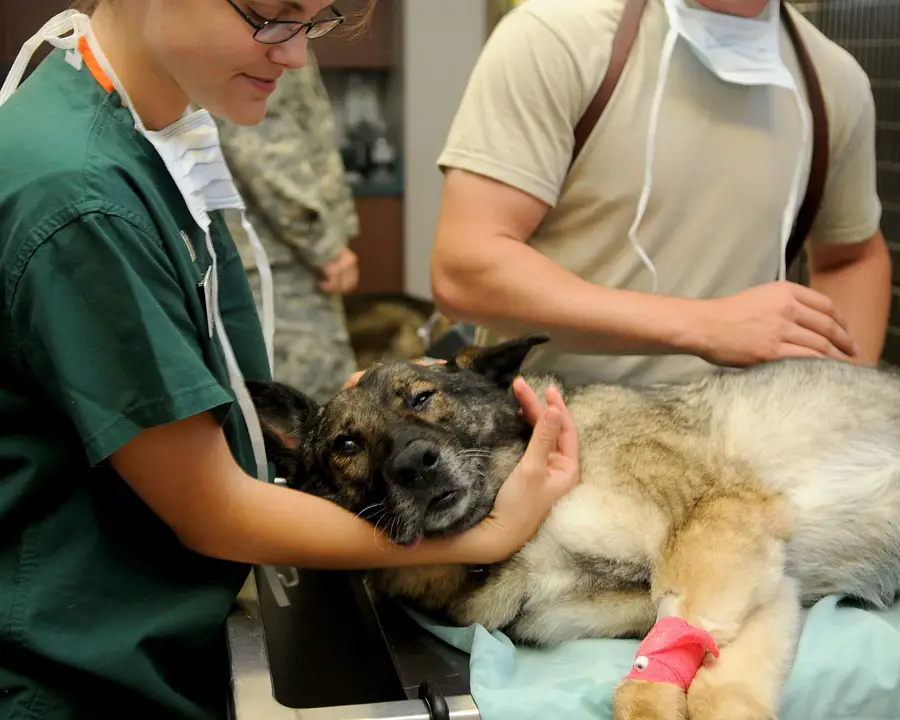
Several emergencies arise so frequently that knowing how to address them can feel like second nature. Heat stroke, for one, can develop in mere minutes on a summer afternoon. Move your dog to the shade or into an air-conditioned room, offer them water a tablespoon every few minutes, and wrap their paw pads and the area beneath their armpits with cool—not icy—compresses. For any suspected toxicity, don’t diagnose yourself; instead, call your veterinarian or the local animal poison control hotline first. Experts can often provide a safe and immediate strategy. A suspected fracture demands almost the opposite tactic: don’t transport, under any circumstance, one more than is strictly needed. Allow your dog to lie on a firm, wide board or a door slab, constraining motion only as gently as the arm in the canine first-aid keeps on the still body.
Comfort Care at Home After Surgery
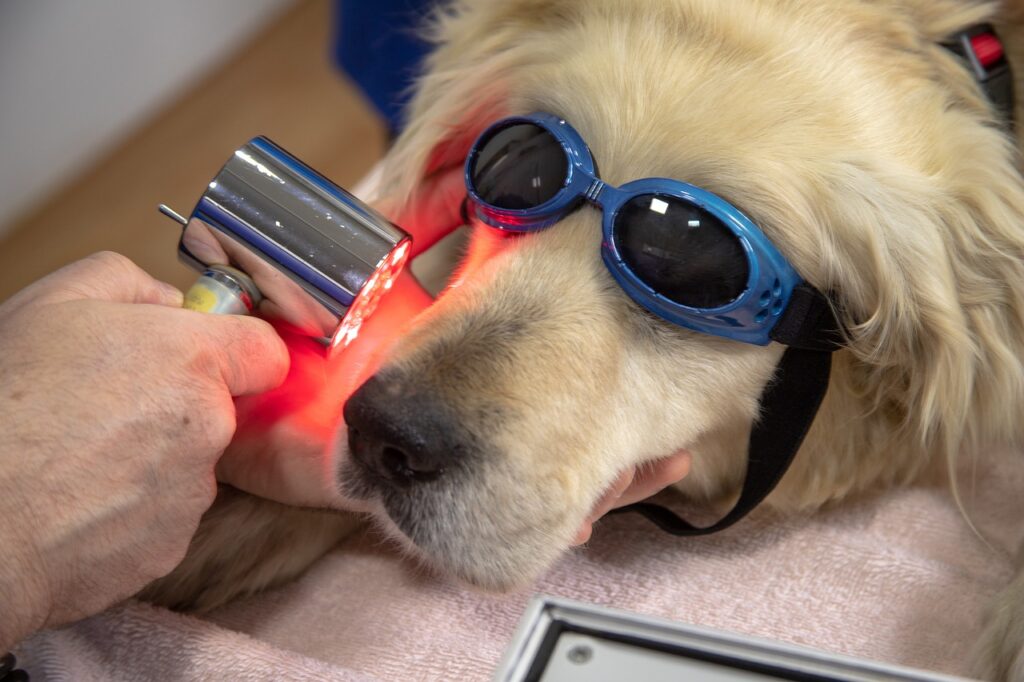
After the crisis, continue gentle care at home. Create a cozy corner with soft bedding, far from commotion, where your pup can rest. Place cool, fresh water a paw’s length away, and stick to the medication schedule your vet outlined. Limit bathroom breaks according to the doctor’s orders, but offer quiet companionship. Soft words, slow massages, and a few extra treats will do wonders. Never underestimate the healing power of your steady presence.
Why a Prepared Pet Parent Is a Calmer One
A few quiet minutes spent gathering supplies today can turn chaos into calm tomorrow. Fill a first-aid kit, memorize CPR steps, and practice staying cool inside the storm, and you’ll shave critical minutes from the equation. Most importantly, your dog notices that dependable umbrella your steady hands create. Like clockwork, they offer boundless tail wags and loving gazes; the least we can do is promise to meet their trust with preparation and love when their brave little hearts feel shaky.