

When your beloved dog stops breathing or their heart stops, every second counts. Knowing how to perform CPR (cardiopulmonary resuscitation) can be a lifesaver in an emergency. This guide will walk you through the steps to confidently administer CPR to your dog, potentially saving their life before professional help arrives.
Recognizing the Emergency
First, check if your dog is responsive by calling their name or gently shaking them. Look for signs of breathing or a heartbeat by observing their chest or feeling for a pulse near the inner wrist or inner thigh. If they’re unresponsive and not breathing, it’s time to act fast.

Ensure Safety and Call for Help
Before starting CPR, ensure the area is safe for you and your pet. If possible, have someone call a veterinarian or emergency clinic to inform them you’re on your way. This allows you to focus on performing CPR without delay.
Positioning Your Dog
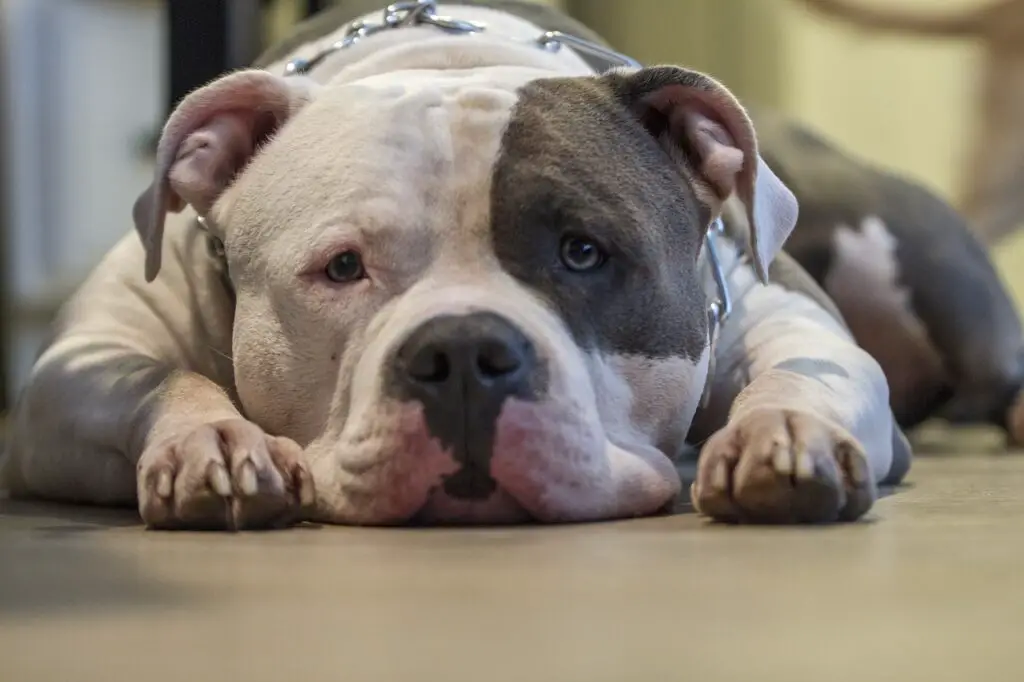
Lay your dog on their right side on a flat, firm surface to allow access to their chest. For barrel-chested breeds like bulldogs, place them on their back. Proper positioning ensures effective chest compressions and airflow.

Check the Airway
Gently tilt your dog’s head back and open their mouth to check for blockages. If you see an obstruction, carefully remove it with your fingers or a cloth, being cautious not to push it deeper. A clear airway is critical for effective CPR.
Administer Rescue Breaths
Close your dog’s mouth and breathe directly into their nose until you see their chest rise, about 2-3 seconds per breath. Give two rescue breaths, ensuring a tight seal to prevent air leakage. If the chest doesn’t rise, recheck the airway for blockages.

Perform Chest Compressions
Locate the heart by finding the spot where the elbow meets the chest, usually just behind the front legs. For medium to large dogs, use both hands to compress the chest about 1-2 inches at a rate of 100-120 compressions per minute (think of the beat of “Stayin’ Alive”). For small dogs or puppies, use one hand or fingers to avoid excessive force.
Combine Breaths and Compressions
Alternate between 30 chest compressions and two rescue breaths, mimicking the natural cycles of human CPR. Continue this rhythm until your dog shows signs of recovery or you reach a veterinary clinic. Staying calm and consistent is key to maintaining effective CPR.
Monitor and Seek Veterinary Care
Check for breathing or a pulse every few minutes, but don’t stop CPR unless signs of life return. Even if your dog revives, rush them to a vet immediately, as underlying issues may need urgent treatment. Quick action can make all the difference.
Be Prepared for the Future
Consider taking a pet first-aid course to boost your confidence in emergencies. Keep your vet’s contact information handy and know the location of the nearest 24/7 animal hospital. Preparation can turn you into your dog’s ultimate hero when crisis strikes.