


Dog whiskers aren’t just there to make your pup look adorable—they’re vital sensory tools that help dogs navigate their world. These stiff, specialized hairs, known as vibrissae, act like a sixth sense, picking up subtle environmental cues. From detecting nearby objects to communicating emotions, whiskers play a crucial role in a dog’s daily life. Let’s dive into the fascinating reasons behind those whisker wonders!
Whiskers as Sensory Superpowers
Whiskers are deeply rooted in a dog’s skin, connected to nerve endings that send signals to the brain. They detect changes in air currents, enabling dogs to sense nearby objects or obstacles, even in low-light conditions. This makes whiskers essential for navigation, especially for pups exploring tight spaces or dim environments.

shelma25 (CC0), Pixabay
Communication and Mood Indicators
Dogs use whiskers to express their feelings, much like humans use facial expressions. When a dog is alert or agitated, whiskers may point forward; when relaxed, they sit back. This subtle communication helps owners and other dogs gauge each other’s moods.
Protection for the Face
Whiskers act as a natural shield, alerting dogs to potential dangers close to their face. They can sense branches, walls, or other objects before contact, preventing injuries to sensitive areas like the eyes. This protective function is convenient for adventurous dogs in unfamiliar terrain.
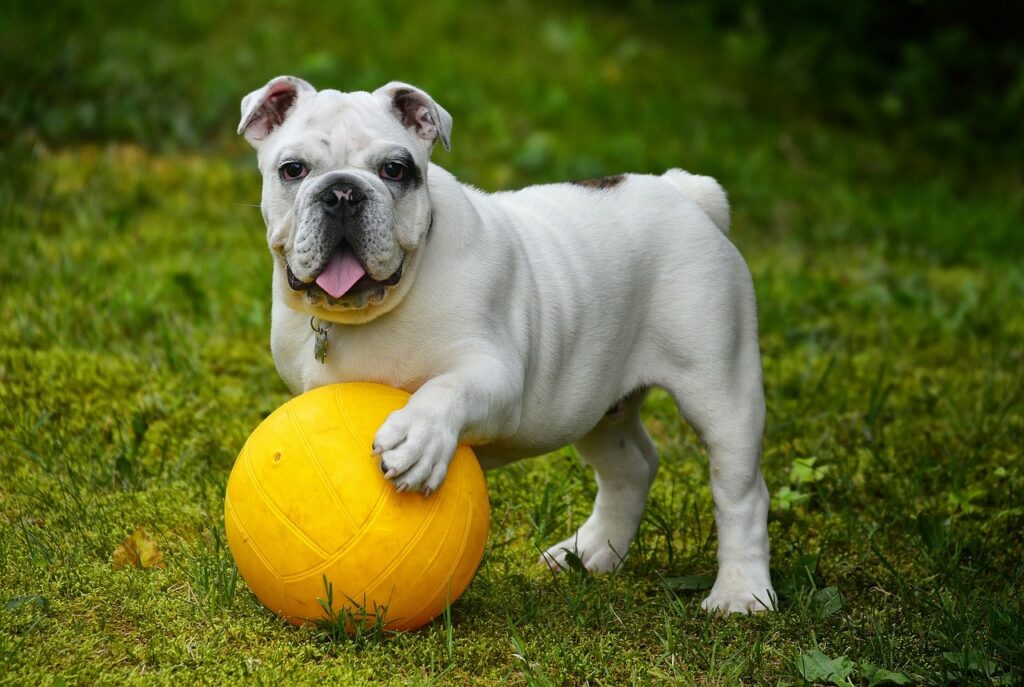
AlainAudet (CC0), Pixabay
Enhancing Spatial Awareness
Whiskers help dogs measure spaces, like whether they can fit through a narrow gap. The length of a dog’s whiskers often matches their body width, acting as a built-in ruler. This spatial awareness keeps dogs safe during playful romps or curious explorations.
Supporting Vision in Low Light
For dogs with poor eyesight or in low-light conditions, whiskers provide tactile feedback, compensating for their visual limitations. They help detect objects or movements that the eyes might miss, such as a toy hidden under furniture. This makes whiskers a critical backup for nighttime adventures or aging pups.

Whiskers and Hunting Instincts
Wiskers also play a role in a dog’s ancestral hunting skills. They help detect subtle movements, such as a small animal rustling nearby, by sensing air vibrations. This heightened sensitivity gives dogs an edge in tracking prey or staying alert in the wild.
Sensitivity to Touch and Pain
Whiskers are incredibly sensitive, and touching them roughly can cause discomfort. This sensitivity allows dogs to react quickly to their environment, but also means owners should avoid trimming or pulling them. Healthy whiskers are key to a dog’s sensory system functioning correctly.

Conclusion: Whiskers Are a Dog’s Secret Weapon
Far from being just a cute facial feature, dog whiskers are a remarkable blend of sensory, protective, and communicative tools. They help our furry friends navigate, stay safe, express themselves, and even tap into their wild instincts. Next time you admire your dog’s whiskers, remember—they’re not just for looks but a vital part of their world-exploring toolkit, keeping them in tune with their surroundings in ways we can only marvel at!