

Have you ever seen your dog run around the yard and thought, “Wow, how fast can they really go?” Dogs are naturally athletic, and their speed often depends on their breed, size, and health. Some dogs are built for short bursts of speed, while others are built for long-distance running. Every dog has a little bit of a runner’s spirit behind those playful eyes, no matter what kind they are. Dogs love being able to move around freely, whether they’re chasing a squirrel, playing fetch, or just running next to you.
Different Breeds Have Different Speeds
Not all dogs run at the same speed, just like people. Some breeds were made to be fast, while others were made to be strong or friendly. The Greyhound is the fastest dog breed, reaching speeds of up to 45 miles per hour—almost as fast as a car on a city street! Whippets, which are smaller than them, can run about 35 miles per hour. Salukis and Afghan Hounds are also among the fastest runners.
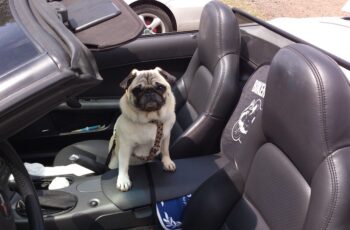
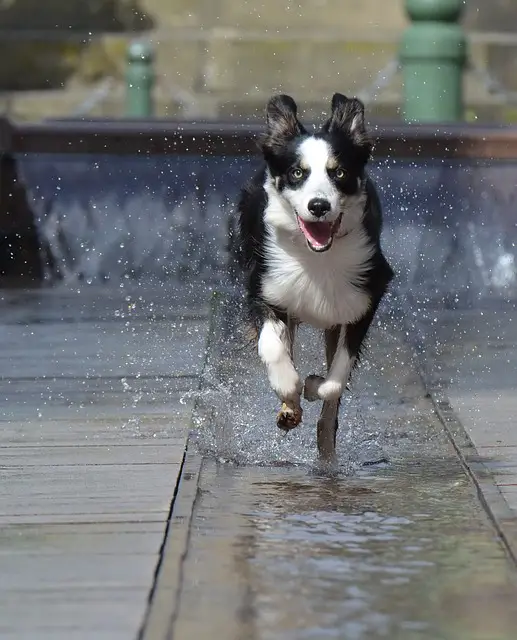
Labrador Retrievers and Border Collies are examples of medium-speed breeds that can run between 20 and 30 miles per hour. They are both strong and quick. Bulldogs, Pugs, and Basset Hounds, on the other hand, are trained to run smaller or heavier breeds that tend to run slower, usually between 10 and 15 miles per hour. This is because their legs are shorter and their bodies are heavier.

825545 (CC0), Pixabay
Motivation, Training, and Fitness
Your dog’s health and fitness are just as crucial as its breed. A well-fed, active dog will naturally run faster and farther than one that is not. Regular walks, playtime, and good food help build muscle strength and endurance. If your dog likes to run, try to make it a part of your daily life. It’s a great way to help them avoid weight gain and improve their heart health.
Another big thing is motivation! Some dogs love the excitement of chasing a ball or running next to you, but others need a little push. To make running fun, give them toys or treats. Always praise them after a good sprint. Your dog runs for fun, not to win, so let them set the pace.

Not all dogs are good at running long distances.
It’s essential to consider your dog’s breed and physical limitations before taking them on long runs. Siberian Huskies and Australian Shepherds are two breeds bred to run long distances. But French Bulldogs and Pugs, which have short noses (brachycephalic), can easily overheat or have trouble breathing when they work out hard. Always start slowly, bring water, and take breaks, especially when it’s hot.
Talk to your vet if you’re not sure how much your dog can handle. Based on your dog’s age, health, and weight, they can help you develop a safe running plan.
825545 (CC0), Pixabay
The Fun of Running Together
It doesn’t matter how fast your dog can run; what matters is that you both move together. Running together strengthens your bond, makes both of you feel better, and keeps your dog mentally active. It’s also a simple way to let off steam and stop bad behavior at home.
So, the next time you put on that leash, remember that you’re not just getting exercise; you’re also spending time with your best friend. Every run, whether your dog runs like a champion Greyhound or jogs like a lazy Sunday friend, is a celebration of health, happiness, and that irresistible zest for life.