


Just like us, our furry companions can fall prey to illness, and nothing is more worrisome than when those telltale signs of sickness start making an appearance. While our canine friends may never complain about feeling under the weather, they do have their own unique ways of expressing discomfort. Still, before you panic at every little behavior change, let’s delve into how you can spot the signs that might indicate your dog has a fever. Join us on this informative journey as we help you stay one step ahead in keeping your four-legged friend happy and healthy!
Importance of Recognizing a Fever in Your Dog
As pet owners, we all want our furry friends to be happy and healthy. But sometimes, they can’t tell us when something feels off. One of the concerning signs is a fever, which can indicate an underlying health issue that needs attention.
Understanding how to spot a fever in your dog is essential for ensuring their well-being. Just like humans, dogs can experience fluctuations in body temperature due to various factors, some minor and others more serious. By learning how to recognize the signs of a fever in your dog, you become an empowered advocate for their health and happiness.
What is a Fever and How Does it Affect Dogs?
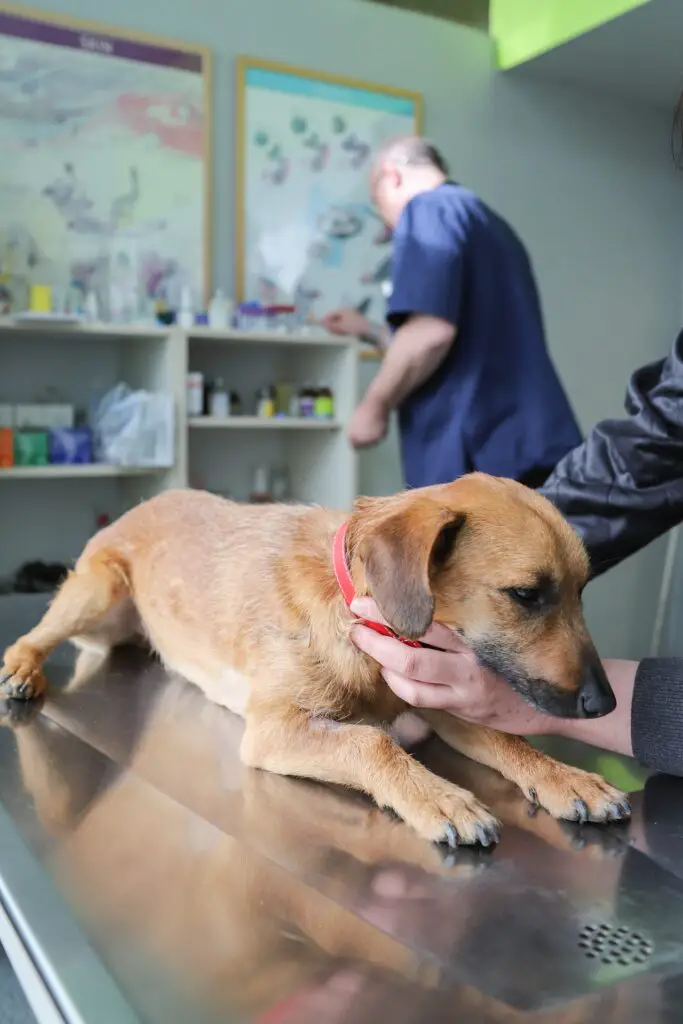
A fever is a temporary increase in your dog’s body temperature, typically indicating an underlying health issue. Normal canine temperatures range from 101 to 102.5 degrees Fahrenheit. Anything above this threshold signals potential trouble.
When dogs develop a fever, it can affect their overall well-being and energy levels. They may become lethargic or lose interest in food and playtime. This change often reflects the body’s response to infection, inflammation, or illness.
Understanding the cause of a fever is crucial for effective treatment and management. It can stem from various factors, such as viral infections, bacterial infections, or inflammatory diseases.
Monitoring your dog’s behavior during these times is essential; subtle changes can be significant indicators of their condition.
Common Signs and Symptoms of a Fever in Dogs
When your dog is feeling under the weather, recognizing a fever can be crucial. One of the first signs to watch for is lethargy. If your usually energetic pup suddenly prefers lounging around, it might indicate something isn’t right.
Another common symptom is a change in appetite. A sick dog may lose interest in food or refuse treats that usually excite them.
You may also notice increased panting or shivering, even when the temperature is not particularly hot or cold outside. This behavior often stems from discomfort caused by elevated body temperature.
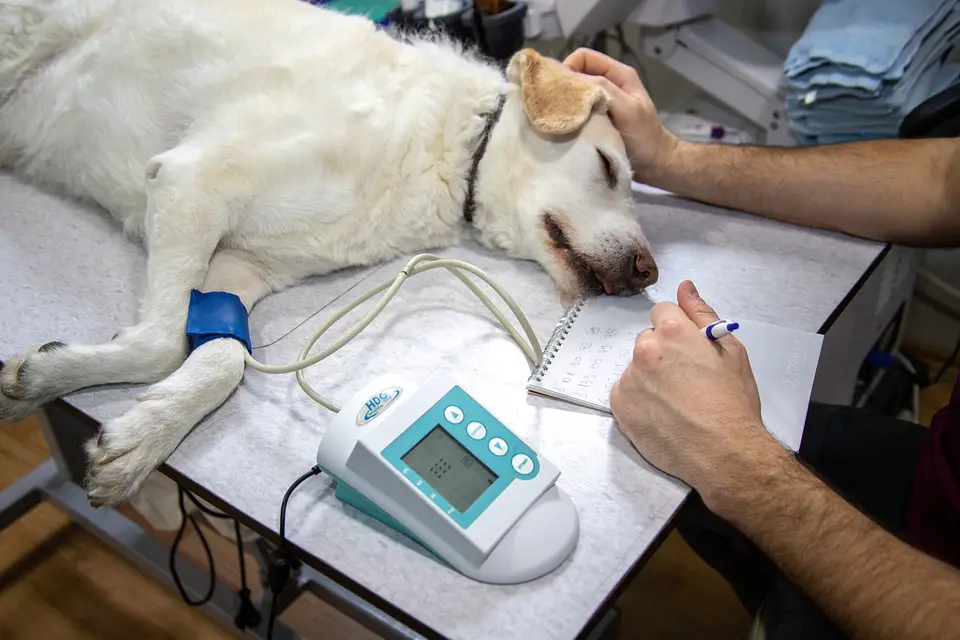
Check for unusual behaviors, such as whining or restlessness, as these can also signal distress. Lastly, examine their nose and ears. If they feel warm to the touch and look redder than usual, that’s another indication of a potential fever developing within your furry friend.
At Home Remedies for Bringing Down a Dog’s Fever
When you establish that your dog is sick with a fever, there are several at-home remedies you can try to help bring down their temperature.
First, ensure they stay hydrated. Offer plenty of fresh water and consider adding an electrolyte solution designed for pets. This can support their recovery.
Next, use a damp washcloth or sponge to gently wipe down your dog’s body. Focus on areas like the paws and belly where heat tends to accumulate. The coolness can provide some relief.
Another option is creating a cozy resting space that’s well-ventilated but not too cold—keeping them comfortable helps reduce stress on their system.
You may also consider herbal solutions, such as chamomile or ginger tea, which can have a soothing effect. Always consult your vet before introducing any new treatments to ensure they’re suitable for your pet’s health needs.
When to Seek Veterinary Care and What to Expect
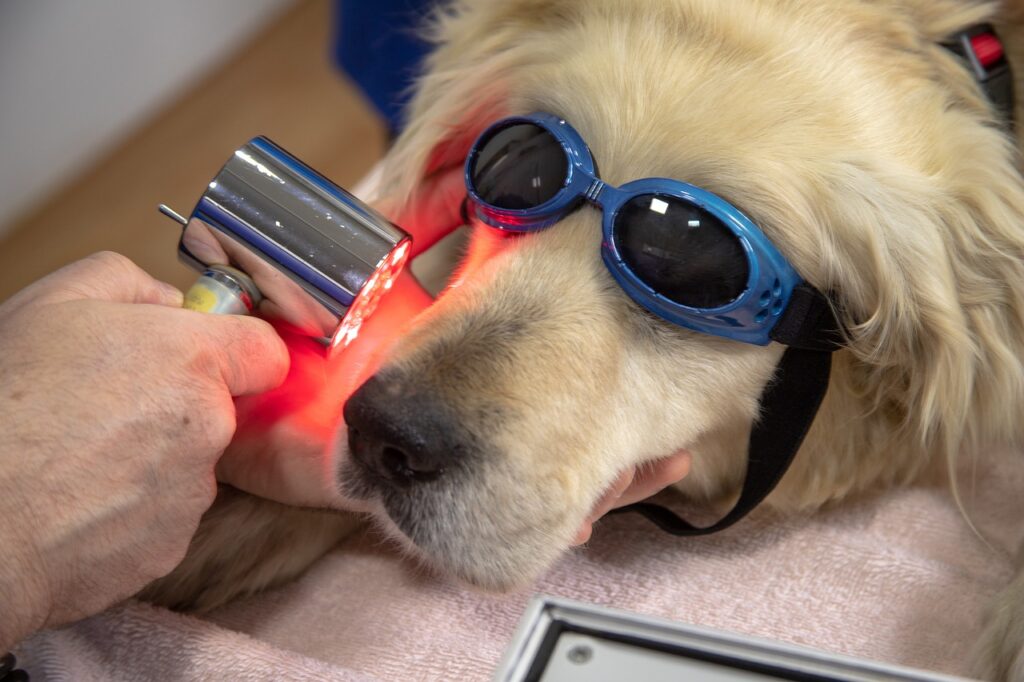
If your dog’s temperature exceeds 103°F, it’s time to consult a veterinarian. A high fever can indicate an underlying issue that requires medical attention.
Watch for other symptoms, such as lethargy, loss of appetite, or persistent vomiting. These signs may indicate a more severe condition that requires prompt medical attention.
When you visit the vet, be prepared to provide details about your dog’s behavior and any changes you’ve noticed. This information will help pinpoint the problem quickly.
Expect a thorough examination, along with possible blood tests or imaging, to determine the cause of the fever. Your veterinarian may recommend treatments ranging from medications to supportive care based on their findings.
Timely intervention is key in helping your furry friend recover swiftly from illness. Don’t hesitate if something feels off; trusting your instincts can make all the difference in maintaining their health.
Remembering the Importance of Monitoring Your Dog’s Health
Monitoring your dog’s health is crucial to their well-being and happiness. Tracking signs of illness, such as fever, can help you identify potential problems early. Dogs can’t verbally communicate when they’re feeling unwell, but as a responsible pet owner, you can observe changes in behavior or physical symptoms.
Regular check-ups with your veterinarian are vital for maintaining good health. They can provide guidance on proper vaccinations and preventative care that will keep your furry friend safe from illnesses that may lead to fevers. Additionally, understanding how to read your dog’s body language can significantly enhance your ability to spot any issues before they escalate.
Being proactive about your dog’s health not only helps them live a longer life but also strengthens the bond between you two. Take time each day to enjoy some quality moments together while keeping an eye out for anything unusual. Your vigilance today could mean a happier tomorrow for both of you.